Dental Implants Bakersfield CA for Single Tooth Replacement
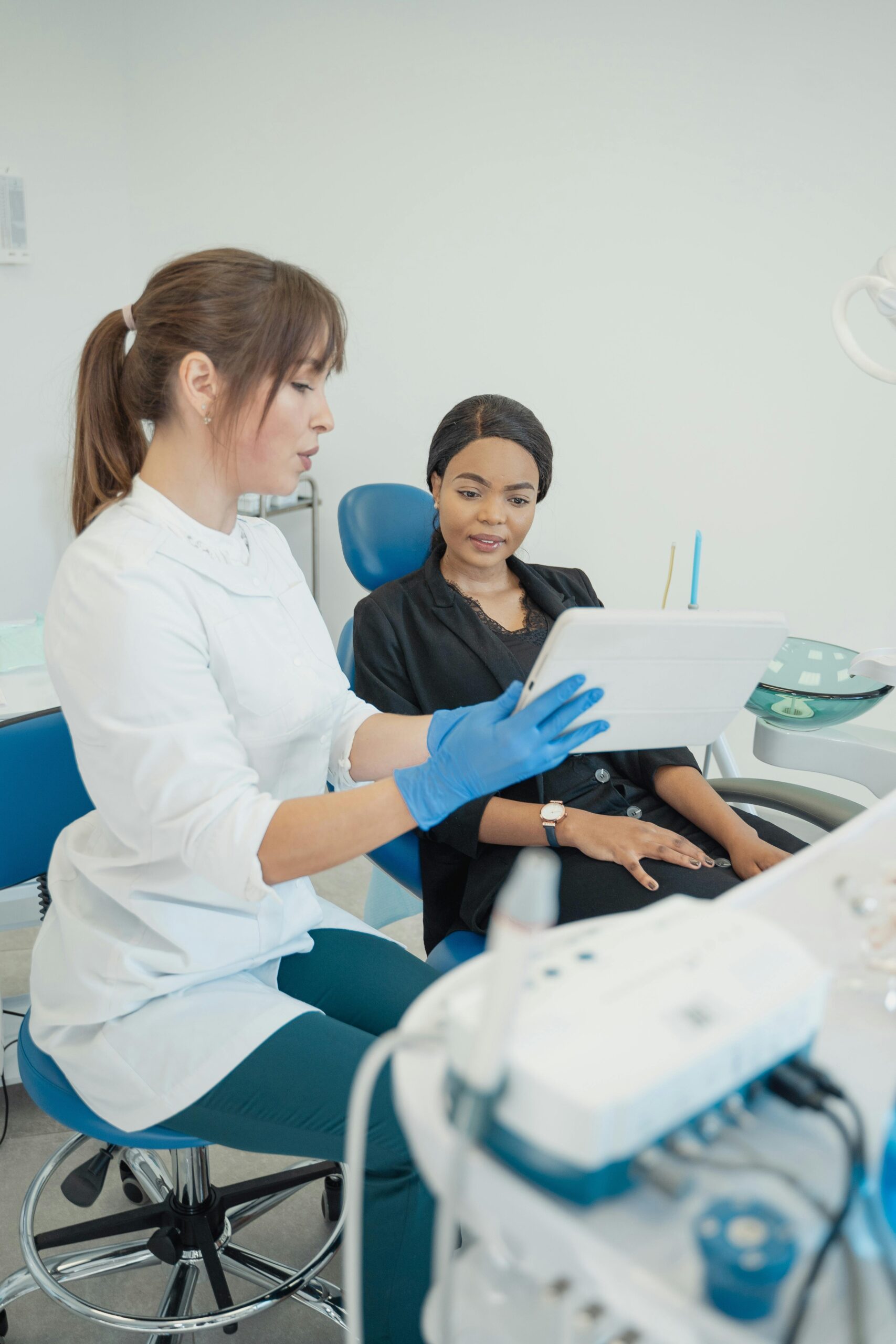
Losing one tooth can seem minor at first, especially if it is not front and center when you smile. Then the practical problems start. Food catches in the gap. You chew on one side without thinking. A nearby tooth begins to drift. Some patients tell me the missing tooth becomes the first thing they notice in every photo, even if no one else would have picked it out.
For a single missing tooth, a dental implant is often the most conservative long term replacement because it restores the space without grinding down healthy teeth next to it. That matters more than many people realize. A single tooth problem can stay a single tooth problem, or it can turn into a larger one depending on how it is treated.
If you are researching Dental Implants Bakersfield CA for single tooth replacement, it helps to understand what an implant actually does, who makes a good candidate, how the process unfolds, and where the trade-offs are. Implants are excellent in the right situation, but they are not magic, and they are not identical from one patient to the next.
Why a single missing tooth deserves real attention
The mouth likes stability. Teeth are held in a fine balance, and when one is removed, the system starts to adjust. Neighboring teeth can tip into the space. The opposing tooth can erupt slightly because it no longer has contact. Bite forces shift. None of this usually happens overnight, which is why people sometimes put off replacement for years. By the time they decide to act, the ideal space may have narrowed, bone may have thinned, and what could have been a straightforward implant may require more planning.
There is also the issue of bone. Natural tooth roots stimulate the jawbone every time you bite and chew. Once the root is gone, that area no longer gets the same stimulation, and the bone begins to resorb over time. The degree varies. Some patients maintain decent ridge volume for years. Others lose width quickly, especially after trauma or infection. This is one reason early evaluation is useful, even if treatment is delayed.
Aesthetics matter too, especially in the front of the mouth. Replacing a front tooth is not just about filling a gap. The shape of the gumline, the thickness of the tissue, the way the crown reflects light, and the contour of the adjacent teeth all influence whether the result blends naturally. A well done single implant should disappear into the smile, not announce itself.
What a dental implant is, and what it is not
A single tooth implant has three parts. The implant itself is a small titanium or zirconia post placed in the bone. An abutment connects the implant to the visible tooth. The crown is the part you see above the gumline.
People sometimes call the whole thing an implant, but from a treatment standpoint, these components matter because decisions about each one affect the final result. In the front of the mouth, the angulation of the implant is critical. A few degrees off can complicate how the crown emerges from the gum. In the back, strength and bite load often matter more than cosmetic nuance, though appearance still counts.
An implant does not get cavities, but that does not mean it is maintenance free. The gums and bone around implants can become inflamed if plaque builds up. Peri implant disease is real, and it is one reason follow-up care and daily cleaning matter just as much after treatment as before it.
Why implants are often preferred over a bridge for one missing tooth
A traditional bridge can be a very good restoration in selected cases. The issue is that it typically requires reshaping the teeth on either side of the missing space so they can support crowns. If those neighboring teeth already have large fillings or crowns, a bridge may make practical sense. If they are healthy and untouched, many dentists and patients prefer not to prepare them just to replace one missing tooth.
This is where single tooth implants shine. They stand on their own. The adjacent teeth can be left alone. The implant also helps maintain bone in the area, which a bridge does not do because there is no root in the jaw beneath the replacement tooth.
Still, implants are not always the automatic answer. If the patient is still growing, if there is uncontrolled gum disease, if smoking is heavy, or if the bone and soft tissue are severely compromised, the recommendation may need to change. Good treatment planning is less about selling one option and https://josuentjp800.keystonescope.com/posts/what-foods-can-you-eat-after-dental-implants-in-bakersfield-ca more about matching the right option to the person sitting in the chair.
Who makes a strong candidate
Most healthy adults with a fully developed jaw can be considered for a single tooth implant. The key word is considered. Candidacy depends on several factors, and some are more flexible than others.
Adequate bone volume is important, but it is not a simple yes or no issue. A site with limited width may still be treatable with grafting. The location matters too. The esthetic zone, usually the front teeth, demands more precision than a molar site hidden in the back. Gum quality matters. Bite forces matter. Clenching and grinding matter. Medical history matters.
Patients with diabetes can often receive implants successfully if blood sugar is reasonably controlled. Patients on certain medications, particularly those affecting bone metabolism, may need closer review. A history of radiation to the jaws changes the discussion. Smoking does not automatically rule out implants, but it raises the risk of complications and can compromise healing and esthetics.
A thorough workup usually includes an exam, digital imaging, and often a cone beam CT scan. That scan gives a three dimensional view of the site, showing bone height, width, nearby anatomical structures, and the angulation available for placement. For front teeth, it also helps the team plan for the final cosmetic outcome rather than just the surgical placement.
Timing changes everything
One of the most common questions is whether the implant can be placed the same day the tooth is removed. Sometimes yes. Sometimes that is the best route. Sometimes it is exactly the wrong move.
Immediate placement can reduce treatment time and may help preserve tissue contours in certain cases, particularly in the front of the mouth. But it only works well when the remaining socket walls are intact, infection is controlled, the tissue quality is favorable, and the implant can be placed with good stability in the correct position. If those conditions are not present, immediate placement can increase the risk of recession or compromise the final appearance.
There are patients who come in assuming same day treatment is the premium option. It is better to think of it as a case selection option. A delayed implant, placed after initial healing or after grafting, is often the more predictable choice. Predictability is usually the smarter metric than speed.
What the process usually looks like
For most single tooth cases, treatment unfolds over several phases. The total timeline may range from a few months to longer if grafting or tissue management is needed. Back tooth cases are often more straightforward. Front tooth cases can take longer because the cosmetic standards are higher and the tissue needs to mature.
A typical sequence may include:
- Evaluation and imaging to assess bone, gums, bite, and overall suitability.
- Tooth removal if needed, sometimes with bone grafting to preserve the site.
- Implant placement after healing, or immediately in select cases.
- A healing period for osseointegration, when the bone fuses to the implant surface.
- Placement of the final abutment and crown after the site is stable and the tissue is shaped properly.
Even this sequence can vary. Some implants are restored faster with temporary crowns, but only when the implant has excellent stability and the bite can be carefully controlled. Rushing the cosmetic stage in a visible area can backfire. Soft tissue has its own timetable, and experienced clinicians respect that.
The role of bone grafting, and why it is not a red flag
Many patients hear the words bone graft and immediately assume the situation is severe. Often it is not. Grafting is common in implant dentistry because it helps preserve or rebuild the ridge after a tooth is lost. Think of it as site preparation, not failure.
After an extraction, grafting the socket can help maintain width so the area does not collapse as much during healing. In other cases, a healed site may need added volume before or during implant placement. The graft material may come from your own bone, donor sources processed for safety, bovine derived material, or synthetic substitutes, depending on the case and the clinician's approach.
What matters most is the objective. In the front of the mouth, grafting often supports both function and appearance. In the back, it may be about creating enough width or height for stable placement. A patient who needs grafting is not necessarily a poor candidate. Often, they are simply getting a more complete treatment plan.
Single front tooth implants demand more artistry
There is a noticeable difference between replacing a lower molar and replacing an upper front tooth. Molars need strength, cleanability, and a bite that does not overload the implant. Front teeth need all of that plus harmony with the smile.
This is where the details become less visible to patients but more important clinically. The implant cannot just be placed where bone happens to be available. It has to be positioned for the future crown and for the soft tissue profile around it. The distance from neighboring teeth, the thickness of the facial bone, the smile line, and even the patient's lip movement influence the plan.
I have seen cases where the implant integrated perfectly from a surgical standpoint, yet the patient remained unhappy because the gumline sat a little too high or the crown looked slightly flat next to a natural tooth. Technically successful and aesthetically satisfying are not always the same. For a single front tooth, temporary restorations, custom healing components, and careful communication with the dental lab can make a major difference.
Cost, value, and the question patients actually mean to ask
When people ask how much a single implant costs, they are often trying to understand value, not just price. Fees vary based on the office, the complexity of the case, whether grafting is needed, the type of final crown, and whether a specialist is involved. In Bakersfield, as in most markets, a single straightforward implant with abutment and crown can range widely. Once grafting, temporization, or cosmetic tissue work is added, the total climbs.
The better question is what is included and what risks might alter the estimate. Some treatment plans quote only the surgical implant. Others include the full restoration. Some include imaging and follow-up visits. Some do not. Clarify whether the fee covers extraction, grafting, temporary teeth, final crown, and maintenance visits.
Patients also compare implants to bridges and removable flippers. That comparison should factor in lifespan and collateral costs. A less expensive option upfront may require replacement sooner or place added stress on natural teeth. An implant is usually a larger initial investment, but for the right patient it often offers stronger long term value, both functionally and biologically.
Healing is usually easier than people expect
Most single implant placements are less dramatic than patients fear. Discomfort is typically manageable with local anesthesia during the procedure and a short period of soreness afterward. Many people return to desk work the next day. If grafting is minor and the surgery is uncomplicated, swelling is often modest. That said, individual experiences vary.
The cases that feel more involved are usually the ones with extensive grafting, multiple procedures, or sites with active infection before treatment. Front tooth cases can also feel more emotionally stressful because patients are focused on appearance while healing. A temporary option during the process often helps.
The post operative instructions matter. Soft foods, good hygiene, avoiding smoking, and not disturbing the area during early healing can improve outcomes. It is rarely the glamorous part of treatment, but it is often where the biology either cooperates or gets challenged.
What can go wrong, and how good planning lowers the risk
No treatment is risk free. With single tooth implants, the common complications include failure to integrate, soft tissue recession, screw loosening, porcelain chipping, or inflammation from poor hygiene. Most of these are uncommon in a well selected case, but they are real enough to discuss openly.
A few risk factors deserve special mention. Bruxism can overload an implant crown, especially in the molar region. Thin gum tissue in the front can make recession more likely. A past infection can reduce available bone. Poorly controlled periodontal disease elsewhere in the mouth raises concerns for the implant site too.
The strongest protection is not one single brand, technique, or gadget. It is comprehensive planning, careful surgery, restorative precision, and maintenance afterward. Patients sometimes focus heavily on the implant brand, and while quality systems matter, the clinician's judgment and execution usually matter more.
Daily maintenance is simpler than many expect
Once the final crown is in place, an implant should feel like part of the mouth, not a separate appliance that requires a special ritual. Cleaning around a single implant is usually straightforward, but it must be consistent. The goal is to keep the tissue healthy and plaque levels low, especially where the implant crown meets the gum.
Most patients do well with a soft toothbrush, floss or another interdental aid suited to the contact area, and routine hygiene visits. If a person has a history of gum disease, heavier tartar buildup, or reduced dexterity, the home care plan may need to be tailored. The implant itself cannot decay, but the tissues holding it in place absolutely can become diseased if neglected.
This is one place where expectations should be realistic. An implant is not a lifetime guarantee in the legal sense, and it is not a set it and forget it device. It is a prosthetic tooth supported by living bone and gum. Respect the biology, and it can serve for many years.
Choosing the right provider in Bakersfield
Searching for Dental Implants Bakersfield CA often produces a long list of offices, each promising excellent outcomes. The challenge is figuring out who has the right experience for your specific case. Replacing a lower premolar in a low smile line is different from rebuilding a central incisor after trauma.
When patients ask what to look for, I usually suggest paying attention to a few practical signs:
- The provider explains more than one treatment option and the trade-offs of each.
- Imaging and planning are discussed clearly, especially if esthetics are important.
- The timeline sounds thoughtful rather than rushed or overly simplified.
- Before and after cases resemble your situation, not just generic implant marketing photos.
- The office talks about maintenance and follow-up, not only placement day.
A good consultation should leave you better informed, not pressured. If the explanation feels vague, if every case is described as easy, or if the cosmetic details of a front tooth replacement are brushed aside, it is reasonable to seek a second opinion.
Questions worth asking before moving forward
The best consultations are conversations, not sales presentations. Ask whether the tooth can be saved first, because not every compromised tooth needs to be extracted. If replacement is appropriate, ask about timing, grafting, the expected appearance of the temporary phase, and the specific factors that affect your prognosis.
It is also worth asking who handles each phase. In some practices, one dentist performs surgery and restoration. In others, an oral surgeon or periodontist places the implant and a general dentist restores it. Either model can work well if communication is strong. What matters is that the team has a clear shared plan for the final tooth, not just the implant fixture.
If you grind your teeth, bring it up. If you smoke, say how much. If the missing tooth was lost after repeated infection, ask how that history affects the plan. Specific answers beat vague reassurance every time.
The big picture for single tooth replacement
A missing tooth may start as an isolated problem, but it affects chewing, stability, bone, and confidence in ways that tend to grow over time. For many adults, a single implant is the closest replacement to having the original root and crown back in that space. It preserves adjacent teeth, supports the bone, and can look remarkably natural when the case is well executed.
The best outcomes come from matching the treatment to the anatomy and to the patient, not from forcing every situation into the same template. Some people need immediate placement. Some need grafting first. Some are better served by a bridge because of budget, timing, or the condition of nearby teeth. Thoughtful dentistry allows room for those distinctions.
For anyone weighing Dental Implants Bakersfield CA for a single missing tooth, the smartest next step is a detailed evaluation with imaging and a frank discussion of options. The right plan should make sense biologically, cosmetically, and financially. When those pieces line up, a single implant can be one of the most satisfying restorations in modern dentistry, because it solves a small problem in a way that protects the rest of the mouth for years to come.
Smyle Dental Bakersfield
2016 E St, Bakersfield, CA 93301, United States
+16614939040
FAQ About Dental Implants Bakersfield CA
What is the downside of a dental implant?
The main downsides of dental implants involve high financial costs, surgical risks, a lengthy healing process, and the potential for long-term complications.
How much does a full set of implants usually cost?
A full set of dental implants (covering both the upper and lower arches) typically ranges from $6,000 to $90,000+, depending heavily on the type of treatment, materials used, and whether the teeth are fixed or removable.
Can I have all my teeth pulled and get implants?
Yes, you can have all your teeth pulled and replaced with dental implants. Instead of placing a separate implant for every single tooth (which is costly and time-consuming), dentists typically use full-arch systems.